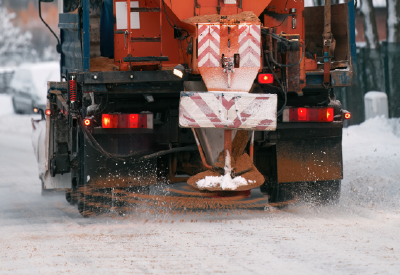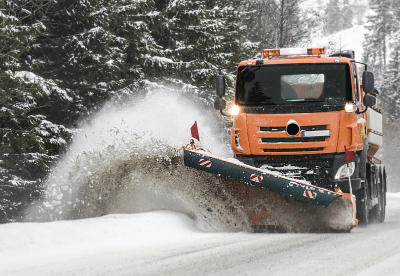

Getting a clearer picture of your storm response can help improve your budget, morale, and fleet efficiency. More and more agencies turn to snowfighting scorecards to see what went right, what went wrong, and how they can better prepare for the next storm event. Let’s break down how to build a meaningful snowfighting scorecard, why it matters, and how Ice Slicer’s natural advantages can boost your results.
There is no nationally mandated way to measure snowfighting performance since what works for one area may not work for another. Some review and score after every storm, some every quarter, and some after the season is over. Find the metrics and practices that are doable for your team and circumstances and you can tailor the following tips to fit your crew's needs.
Why Post Storm Evaluation Matters
While measuring your storm response can feel like just one more thing to do during a busy winter season, there are a lot of advantages to be gained.
Consistency:
- Since snowstorms vary in intensity, duration, and temperature ranges, scorecards give you metrics that help you compare and standardize your evaluations across storms.
Better budgeting and planning:
- Scorecards can help you forecast your needs more accurately to avoid waste and improve your return on investment (ROI). Over time, you can calibrate your storm response with informed decisions on how much deicer, labor hours, and equipment you will need for each type of storm.
- Measuring snow performance also helps when you advocate for better funding and support. Clear metrics help defend budgets, secure grants, and show the value of investing in higher performing equipment and deicers.
Safer Roadways:
- Performance data helps your team pinpoint problem areas so you can reduce crashes and clear roads more quickly and surgically.
Transparency:
- Showing achievements and needed improvements boosts accountability and sharing between supervisors, crews, partners, and even the public where needed.
Celebrate victories:
- Too often, the only feedback snow agencies get...is negative. Everyone seems to notice when things go wrong, but it just as important to celebrate what went right. Scoring your snowfighting response should include all the upward trends and the targets met in a frequently thankless job...don't shy away from sharing those victories!
Metrics to Include on Your Snowfighting Scorecard
*Pro tip: Using a snow management app or software like Yeti or Granum can help you keep track of and organize snowfighting data
Storm profile
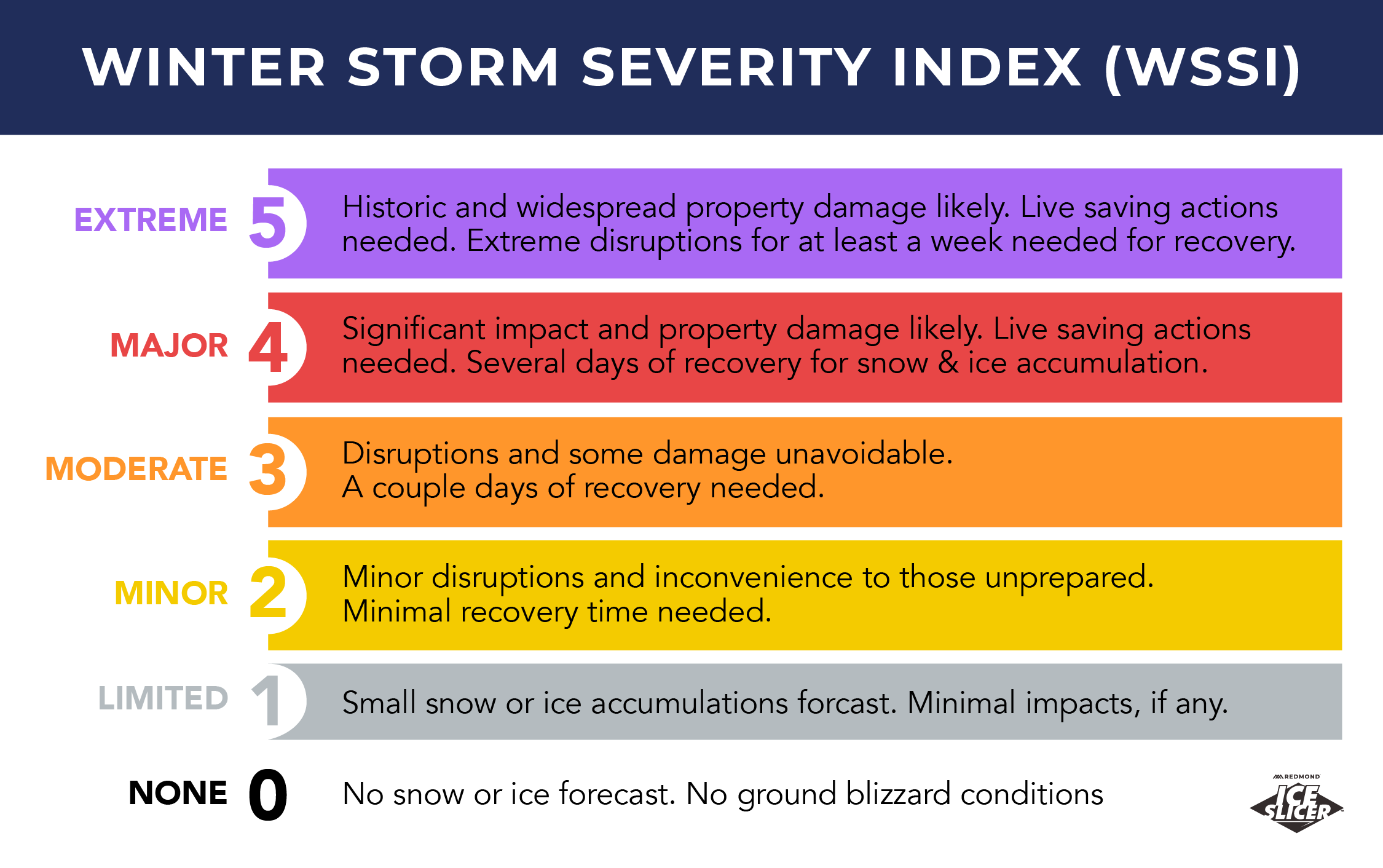
Use the Winter Storm Severity Index (WSSI, measured by the national weather service, to note the intensity of each storm cycle and how your response was scaled up or down as a result.
Storm Inputs
- Fuel usage
- Labor hours
- Machinery or equipment hours
- Product purchases (anti-icing, deicing, and aggregates)
Storm outputs
- Lane miles plowed
- Lane miles where product was applied
- Plowing speed
- Product application rates (lbs/lane mile)
- Payments for repairs
- Multiple passes (did road treatments continue to work after plowing or after temperatures dropped)
Level of Service (LOS) Metrics
- Time to bare pavement
- Surface friction before and after plowing
- Public safety indicators: crash rates, service calls, stranded vehicles, and citizen feedback to create and understanding of real-world road safety
- Environmental impact: chloride output, damage to vehicles, vegetation, and infrastructure
How to Collect Snowfighting Data
Data Collection Methods:
- Public surveys
- Web cams
- Road Weather Information System (RWIS)
- Mobile/on plow sensors
- In-ground sensors like Vaisala GroundCast sensors
Making a Performance Summary
Create quick visual overviews using:
- Color-coded scoring
- Pass/fail markers- clear grades that show whether targets and goals were met
- Trend arrows (which metrics are up or down compared to storm over storm, quarter over quarter, or year over year data)
- Graphs to compare material usage, melt times, and hours from storm to storm
After you Score: Sharing and Calibrating Snowfighting Performance
There are many ways these performance reviews can be shared with the public and external partners:
- Social media
- Websites
- Submit quarterly or seasonal score cards to necessary public agencies
- For private companies, data should be shared internally between crews and supervisors
Here are some examples of interactive, visual snow performance data interfaces or dashboards:
Minnesota Department of Transportation
Wisconsin Department of Transportation
Calibrating Snowfighting Performance
The goal isn’t perfection, it’s progress. Let’s look at some post-review adjustments that can help your teams build a culture of continuously improving bit by bit, storm after storm.
Adjusting material strategies:
- Recalculate deicer purchase amounts
- Change application rates
- Improve how deicer stockpiles are managed
Training crews:
- Identify chronic trouble spots in your area/network
- Equipment spreader calibration
- Application strategies based on storm conditions
- Review how to use route optimization software
Planning budgets:
- Recalculate true cost of deicer purchase: Change cost/ton to cost/storm or cost/lane mile
- Redistribute labor hours to match optimized routes
- Bulk up stockpiles during non-storm periods to avoid emergency pricing
Ice Slicer® Can Improve Your Storm Response
Together, with a well-designed snowfighting scorecard, Ice Slicer can help your team stay ready for whatever winter throws your way. Ice Slicer’s natural melt power, value, and proven environmental benefits, you can take your scorecard, and your storm response, to the next level.
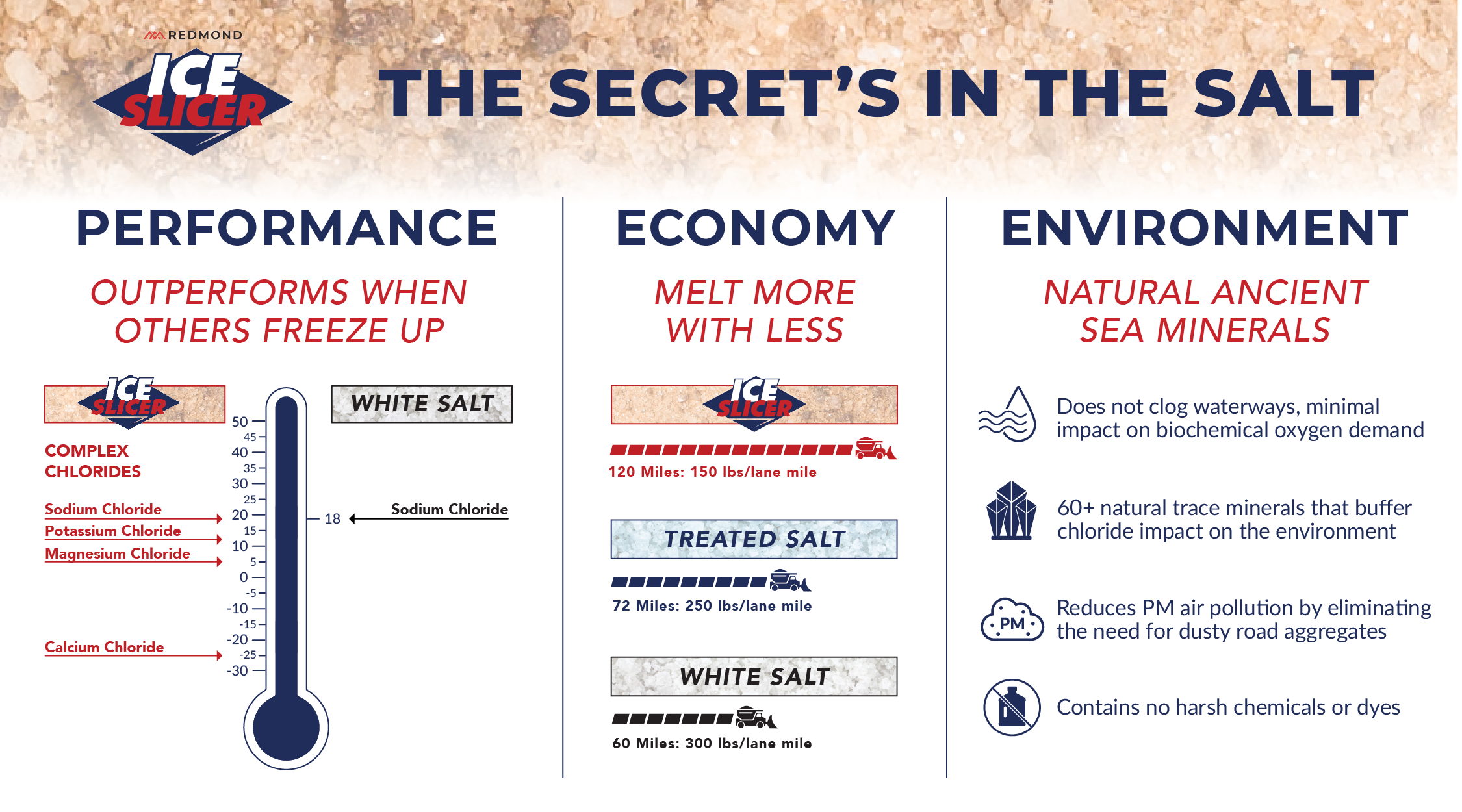
Ice Slicer’s natural complex chloride formula restores bare pavement faster than white salt and with less product. Snowfighters across the country trust Ice Slicer’s high performance to get the job done and get them home on time!
“With Ice Slicer, roads were usually dry 6 to 12 hours ahead of other areas.” – CDOT
“Ice Slicer roads are dry much faster. With white salt, the lingering moisture in the night air normally requires reapplication. But with Ice Slicer we don’t have to baby sit the roads through the night.” – Salina UDOT
“In our first year using Ice Slicer we reduced crashes 45%.” – ADOT
“Ice Slicer allowed us to reduce our salt application up to 50%. With heavier storms than the previous year, we still reduced our salt costs 38%.” – Jed Bell, South Jordan City, UT